
Why I Create Zombies: A Horror Artist’s Philosophy on Monsters, Mortality, and the Very Human Fear of Death
As a special effects costume designer who lives and breathes horror, people always ask me the same question:
“Why zombies?”
Why the rot? Why the gnashing teeth? Why the mildew-soaked fabric and bone-deep grime? The answer is simple and a little strange:
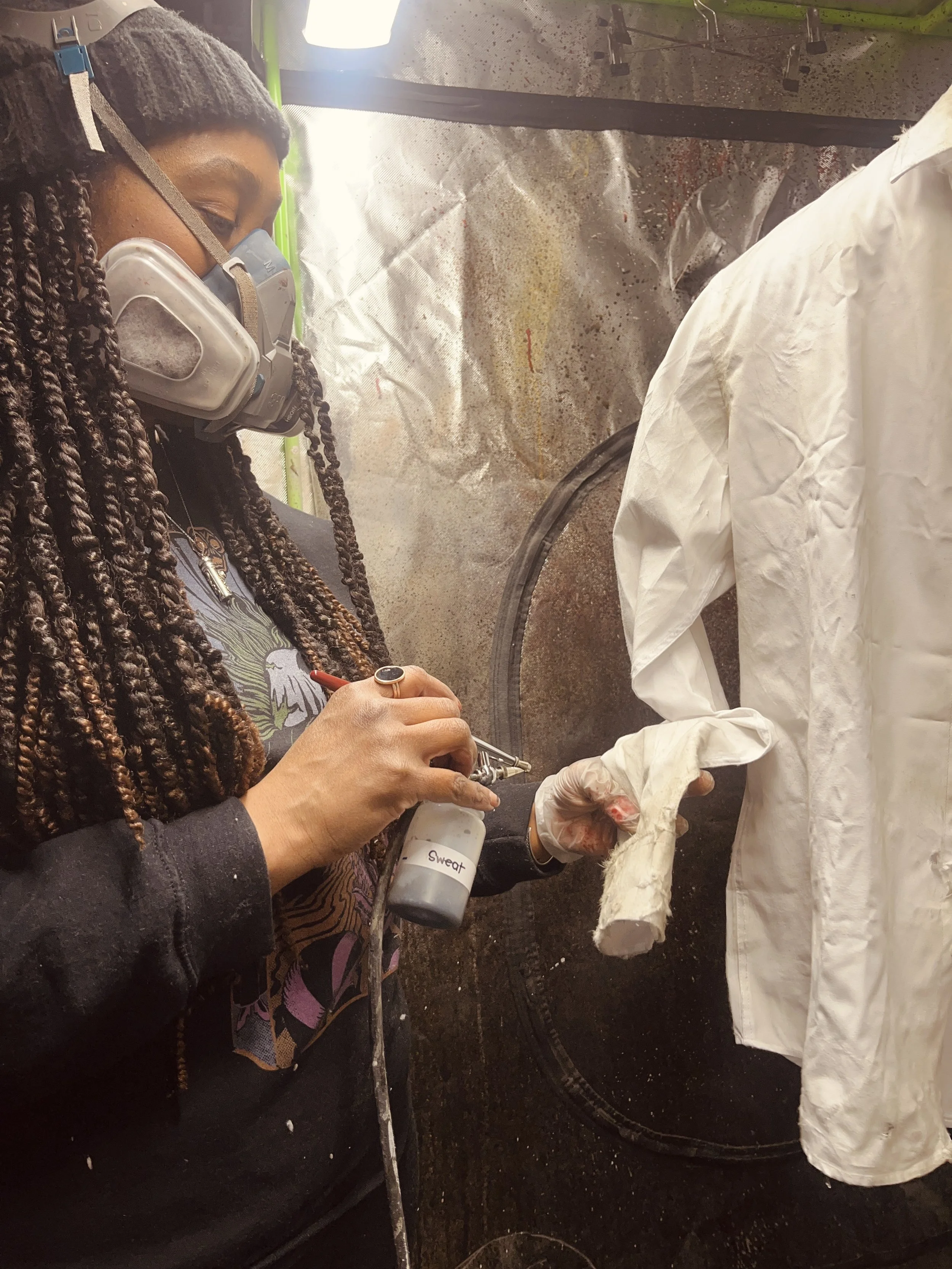
Zombies help me understand what it means to be human.
And—if I’m being completely honest—they help me cope with my lifelong anxiety around death, decay, and the terrifying inevitability of mortality. Creating monsters is my own personal therapy. It’s the one place where fear becomes tangible… and once something is tangible, you can control it. Welcome to my '“Ted Talk”. Grab a shovel.
⸻
Zombies as a Mirror: What These Monsters Reveal About Us
Zombies have survived for decades in pop culture because they’re more than walking corpses. They’re commentary. They’re metaphor. They’re warning signs dressed in rot and rags.
From an artistic point of view, zombies represent:
• Humanity stripped down to its rawest instincts
• The fear of losing autonomy, identity, memory
• A collective anxiety about consumerism, complacency, and chaos
• The dread of watching people we love become unrecognizable
I’ve always believed that zombie horror is never really about the undead. It’s about us—the living who are terrified of becoming empty shells long before we ever die. Have you ever tried to read a page and ended up rereading the same passage nine times because your mind drifted somewhere far beyond the words? Dissassociating always feels like a “first step”… When I design a zombie costume or build a rotted character for TV, film, or haunts, I’m not just creating a creature. I’m creating a question: What happens when the soul steps out but the body keeps going?
⸻
Why I Create Monsters: Using Horror as Emotional Armor
Here’s the part most people don’t know: I started building monsters because I was afraid of dying. As a child, age and decay terrified me. I was raised primarily by my maternal grandparents and regarded them and their friends as my own. I’ll never forget going with my grandad to visit my great grandfather, who was 103 at the time, in the resting home. During one of my routine rounds checking in on some of the other elderly residents, I discovered that Mabel, one of my best friends had “checked out”. I’ll never forget the confusion and hurt that burned through my little 8 year old chest. As an adult, grief brought that fear front and center. And as a horror artist, I realized something profound: When I am the one designing the demise…When I choose how the flesh deteriorates, and how the wounds fester…then death loses some of its power over me to induce debilitating fear.
Monster-making became my way of touching fear without letting it swallow me.
Every ooze, mold patch, and blood stain is me negotiating with the unknown. Zombies let me rehearse mortality in a safe place. They let me seemingly make a “joke” out of decay. They allow me to study the thing that scares me most—without being consumed by it.
Horror as Healing: The Psychology Behind Building the Undead
Creating zombie costumes is deeply sensory work—paint under the fingernails, sculpting wounds, distressing fabric, layering grime. That process grounds me when anxiety tries to spin me out of control, sort of like working in the garden; another pastime of mine. It’s art, but it’s also meditation. There’s a strange comfort in crafting zombies, because no matter how grotesque, deranged, or nightmarish the monsters I build become, real life will (hopefully) never look that terrifying—and knowing that makes facing mortality feel a little less overwhelming, a little more survivable.
Here’s what monster-making gives me:
1. Control Over the Uncontrollable. Death is inevitable. But a zombie’s decay? I decide how far it goes.
2. A Physical Outlet for Fear. The moment fear becomes clay, foam, fabric, pigment—it becomes something I can touch. Something I can manipulate. Something that listens to me.
3. Connection to Humanity. Monsters only matter because humans fear becoming them. In studying the undead, I learn more about what makes life meaningful.
4. A Safe Space for Dark Emotions. Grief, dread, existential anxiety—these things have to go somewhere. I put them into my creations and let the monsters carry the weight for me.
Zombies Are Us: A Love Letter to the Living
At their core, zombies remind us that we’re fragile—skin, bone, and hope. They warn us that humanity is precious. They tell us that even in death, we’re still trying to get somewhere. But to me, zombies also say something gentler:
Make peace with your fear. Touch it. Shape it. Give it a name. Give it a face. Give it mold if you must. But don’t let it live inside you rent-free.
Every creature I create lets me breathe a little easier. Every monster I mold gives my anxiety one less place to hide. And every zombie I build is a reminder that even decay can be meaningful, beautiful, and oddly comforting. In the end, my zombies are alive because they help me feel alive, and remind me to live my life. That’s my philosophy in a nutshell—grim, poetic, human.
Zombies aren’t just horror icons. They’re emotional mirrors. They’re creative therapy. They’re proof that when we face the darkness head-on, it stops feeling like a monster and starts feeling like a map.
And for me, as a horror creator, obsessed with storytelling through decay and transformation, zombies will always be the perfect canvas.
Because the undead aren’t really about death.
They’re about what we do with the time we have left.
🖤
